

Vancouver Whitecaps should be enjoying one of the best stretches the club has had in years.
Thomas Müller is on the roster, the team reached the 2025 MLS Cup final, and the Whitecaps are sitting near the top of the Western Conference again in 2026.
On the field, the club looks like a serious contender. Off the field, the situation is far less settled, and that contrast has become one of the biggest talking points around the team right now.
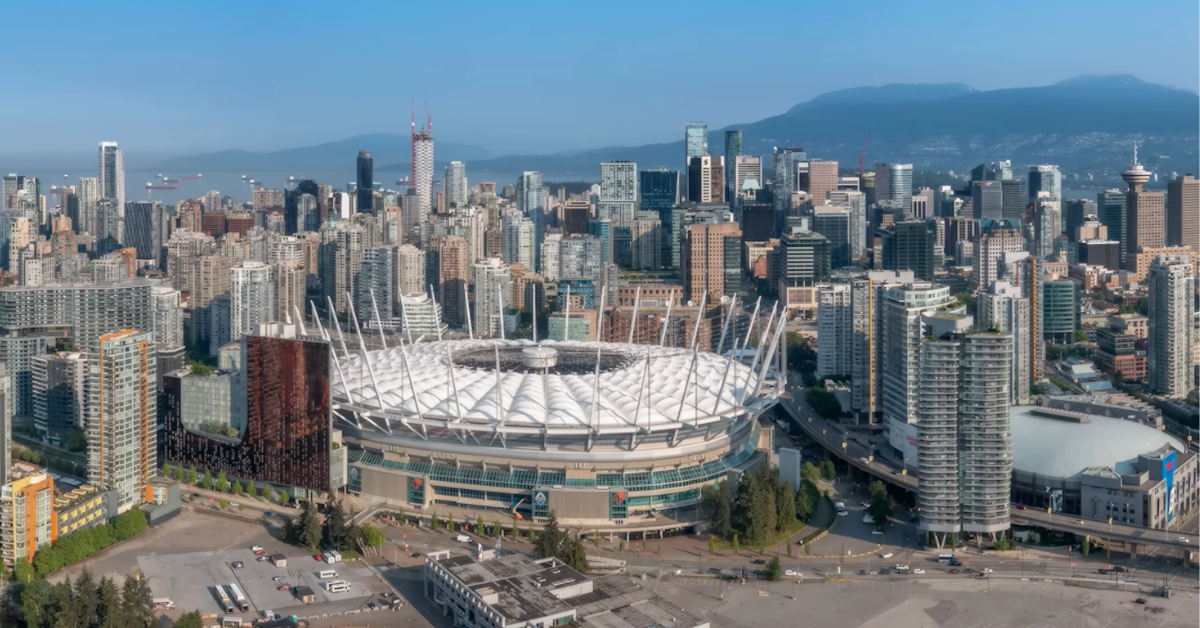
The core problem is no longer hard to identify. Vancouver remains up for sale, the stadium situation is still unresolved, and the club has openly admitted that venue economics and revenue limits have made it difficult to find a buyer willing to keep the team in the city.
In an April club statement, the Whitecaps said they had spent more than a year speaking with over 100 parties without securing a workable local deal.
The club also made clear that BC Place, while still home for now, has not given the organization the kind of long-term business model needed to make the Whitecaps an attractive purchase for the right investor.
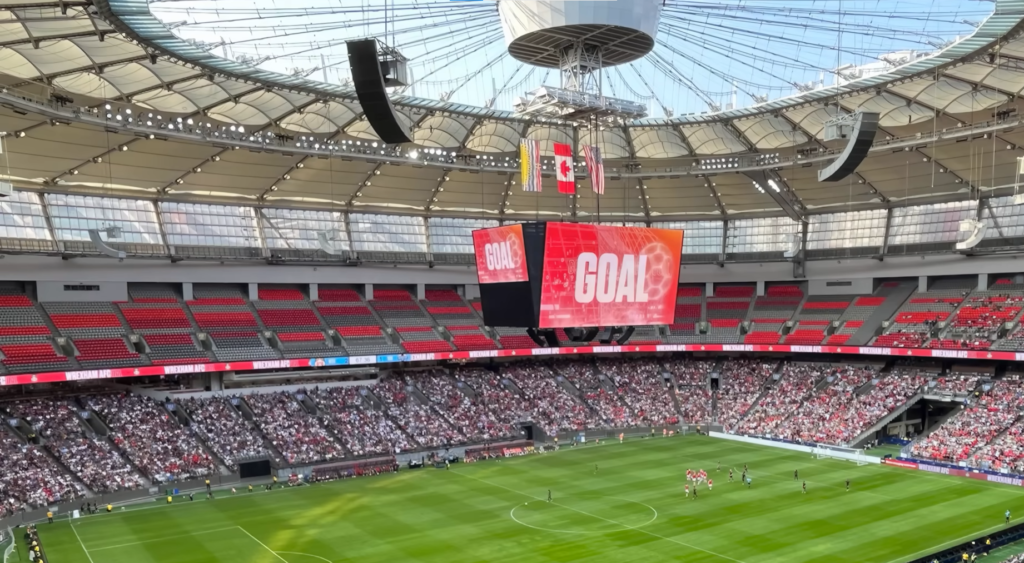
That is why relocation talk has grown louder instead of fading away. Reuters reported that Las Vegas and Phoenix have emerged as possible destinations if the club leaves Vancouver, while the current BC Place lease is set to expire at the end of 2026.
No move has been finalized, and there is still time for Vancouver to find a solution, but the threat is no longer just background noise. It is now a real possibility hanging over one of MLS’s most competitive teams.
The tension feels even sharper because the Whitecaps are not dealing with this from the bottom of the table. Vancouver are second in the Western Conference and remain very much in the playoff picture.
They are still pulling strong support at home, and the club’s results have given supporters a team worth believing in. A club in that position would usually be talking about how to build on success.
Vancouver instead is facing questions about ownership, lease security, and whether one of Canada’s best-known soccer brands can keep its place in the city.
Müller’s arrival made that contradiction even more striking. A player of his stature joining Vancouver should have felt like a signal of confidence and upward momentum. Instead, his name has become part of a larger and much stranger conversation.
One of the game’s most decorated players joined a club that is winning matches and drawing attention, yet the wider discussion around the Whitecaps now includes possible relocation, stadium uncertainty, and doubts about what the next season might even look like if no deal is reached.
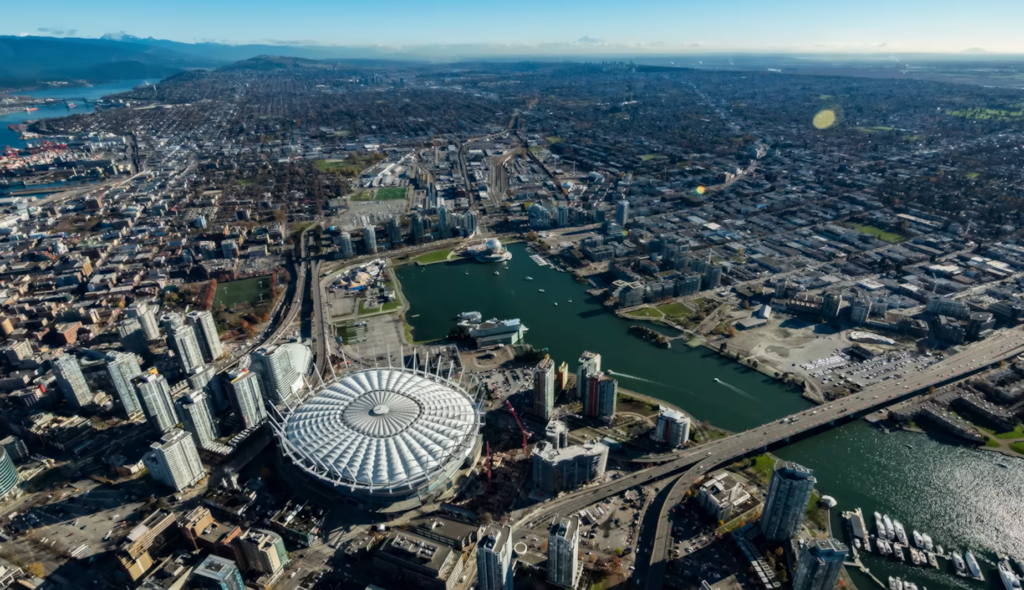
There is still a local path forward, at least in theory. The Whitecaps have continued to point toward the need for a better long-term venue solution, and earlier reporting outlined negotiations around a possible future stadium project in Vancouver.
But the club is also working against time. A stadium concept is not the same thing as a signed agreement, and interest from investors does not matter much if none of those talks produces a deal strong enough to keep the Whitecaps in the city.
For supporters, that is where the frustration has started to turn into public pressure.
Vancouver mayor Ken Sim has already called on both the club and the provincial government to find a way to keep the Whitecaps in the city.
The province has said it is working with the club to help improve conditions at BC Place, though it has ruled out buying the team itself.
That leaves the Whitecaps in a position where several sides say they want a solution, but none has fully delivered one yet. The gap between concern and action is what keeps making this issue feel more serious by the week.
If Vancouver were to move, it would be a major moment for the league. The Whitecaps have roots going back to 1974, and a relocation would mark MLS’s first move of this kind since San Jose became Houston in 2006.
That history is a big reason the reaction has been so strong. This is not a brand-new club searching for identity.
It is an established name with decades of local meaning, a live fan base, and a team that is still winning. Losing that would hit far beyond one season or one ownership cycle.
For now, the Whitecaps remain in Vancouver, remain in contention, and remain one of the better teams in the West.
But the uncertainty is real, and it is impossible to ignore because it is happening at the same time as the club’s on-field rise. Vancouver still has time to solve this.
The question is whether the city, the league, the province, and a future owner can move fast enough to protect a club that is still giving its supporters every reason to care.
Read More: Lamar Hunt U.S. Open Cup Quarterfinals Locked In as Eight MLS Clubs Set Up May Showdowns
No move has been confirmed. The club says its strong preference is still to find a solution in Vancouver, but it is up for sale and MLS is considering all options if no local path forward is found.
The current BC Place lease runs through the end of 2026, which is why the club’s ownership, stadium plan, and long-term future have become such urgent issues.
