

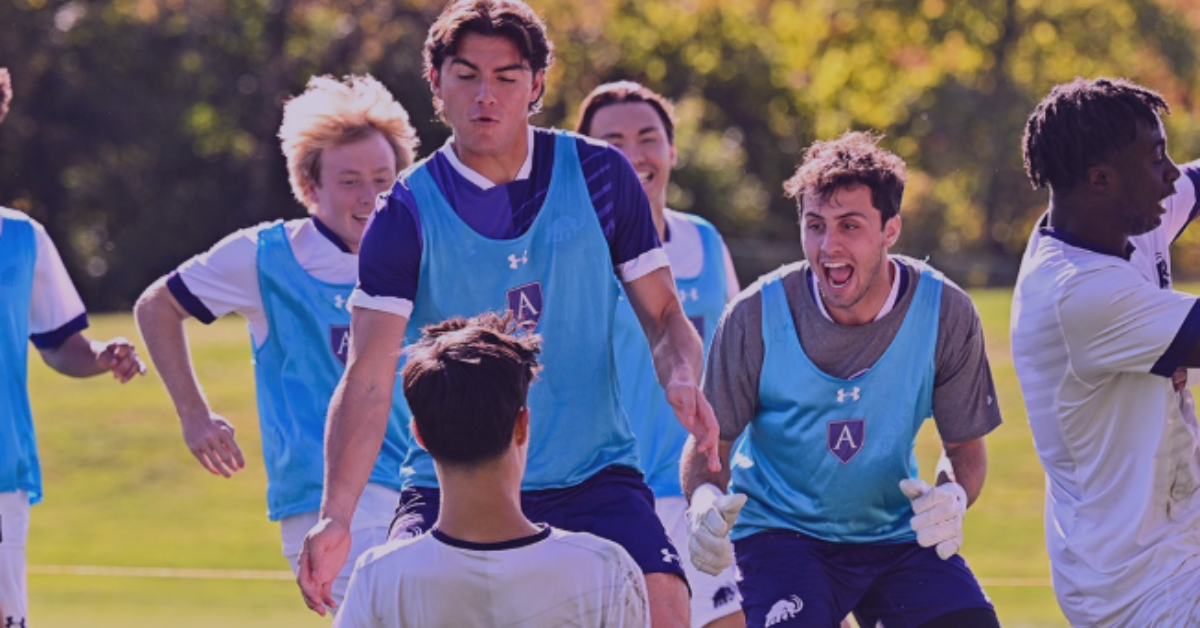
Every Sunday morning in Amherst, a small group of student-athletes shows up long before most of campus is awake. They head to the field or the gym for a weekly Special Olympics session that has become one of the college’s most lasting sports traditions.
The program brings together athletes from Amherst, Northampton, Deerfield, Granby, and Greenfield for soccer in the fall and basketball in the winter and spring.
Each week, about 5 to 10 Amherst student-athletes volunteer, coach drills, and spend two hours building relationships through sport.
What makes the program stand out is how steady it has become. It is not built around a one-off clinic or a single day of service.
The same athletes return week after week, and that consistency has helped turn the sessions into something bigger than practice.
Amherst volunteers lead warmups, organize small games, and celebrate every bit of progress, but the biggest part of the morning is often the connection that grows over time.
Athletes greet one another by name, friendships form, and the gym becomes a place where competition takes a back seat to belonging.
The program traces back to 2013, when cross country runner Elizabeth Black brought the idea to longtime Amherst administrator and coach Billy McBride, who now serves as an associate athletic director.
Since then, McBride has helped keep the effort moving and has turned it into a meaningful part of Amherst athletics culture.
His approach has always centered on showing up, creating opportunities, and treating the athletes involved as part of the same sports community rather than as a separate group.
Read More: Missouri Baptist tennis breaks through with historic sweep of William WoodsThat work has produced moments that carry real weight. One athlete who began the fall season quiet and hesitant, needing one-on-one support, finished the winter basketball season confidently scoring baskets and engaging with teammates.
Amherst’s student leaders have also handled the behind-the-scenes work that keeps everything going, including booking space, staying in touch with Special Olympics coaches, and bringing volunteers in from across varsity teams. The program has become both a community effort and a leadership project.
There is a wider Division III angle here too, but it fits naturally with what Amherst has already been doing. The NCAA Division III and Special Olympics partnership began in 2011, and 2026 marks its 15th anniversary.
Since the partnership began, more than 110,000 Division III student-athletes and 160,000 Special Olympics athletes have taken part in Unified experiences, contributing more than 650,000 hours of service and helping raise over $600,000 to support inclusion through sport.
Amherst’s weekly tradition is exactly the kind of local program that shows what those national numbers actually look like in real life.
Amherst’s version of that work has reached beyond weekly practices. During the NCAA Division III men’s basketball championships hosted on campus in March 2023, McBride bought eight bicycles with his own money, had Amherst and Special Olympics athletes build them together, and then donated the finished bikes to the Holyoke Boys & Girls Club.
It was a sports story, but also a community story, and that combination has come to define the program.
That is why this tradition feels bigger than a Sunday morning volunteer slot. It gives Amherst athletes a chance to coach, connect, and lead, but it also gives Special Olympics athletes a place where they are expected, welcomed, and celebrated.
In a college sports world that usually revolves around wins, rankings, and schedules, Amherst has built something quieter and more lasting. Every Sunday, sport still matters there. It just matters in a different way.
Read More: Austin to host first-ever National Collegiate Padel Championships this week