

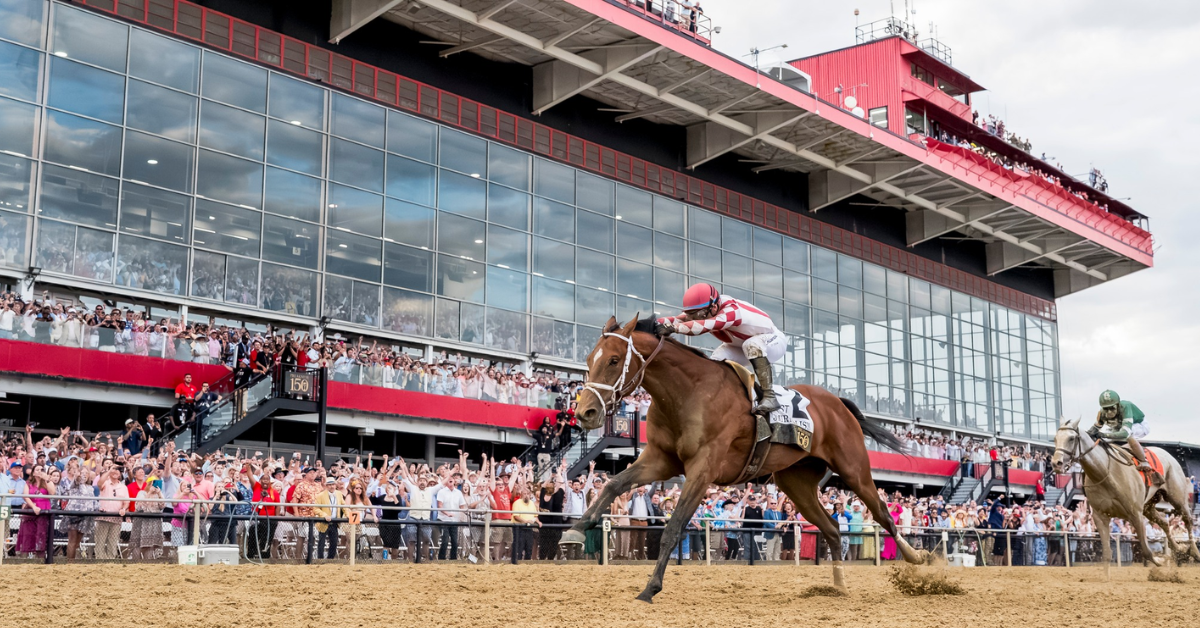
The 151st Preakness Stakes runs this Saturday at Laurel Park. Not Pimlico. Not Baltimore. Not the place where this race has lived since 1909.
For the first time in 118 years, the second jewel of the Triple Crown is being run somewhere else, and somehow the conversation around it has been reduced to odds boards and the Derby winner’s absence.
That is worth sitting with for a moment.
Pimlico Race Course, the track they call Old Hilltop, opened in October 1870. It held its first Preakness in 1873. The race bounced around New York for a stretch, spending time at Morris Park in the Bronx and then Gravesend Racetrack in Brooklyn before coming back to Baltimore for good in 1909. It has not left since. Until now.
A Baltimore Institution Reduced to a Construction Site
After last year’s 150th running, demolition crews moved in. The grandstand at Pimlico was already a safety hazard before the wrecking ball arrived.
Seven thousand grandstand seats had been closed since 2019 because the structure was deemed too dangerous to occupy. The track had not had a serious renovation since the 1950s, and the decay had become impossible to ignore.
What is replacing it is a $400 million redevelopment project that will include a new hotel, event space and a training center at Shamrock Farm in Woodbine, Maryland.
Churchill Downs, which controls Pimlico, says the track is slated to reopen in 2027 and that Pimlico will be back as the permanent home of the Preakness the following May.
Maryland Governor Wes Moore has also announced a plan to purchase Laurel Park for $48.5 million and convert it into a training facility once the Preakness moves back north. A
state legislative panel is reportedly pumping the brakes on that purchase to study the economic impact, so even that plan has some loose threads.
For this year, the race lands at Laurel Park, which sits about 20 miles south of Pimlico between Baltimore and Washington D.C. It is a functional track. It is not Pimlico.
Attendance has been capped at 4,800 with no infield crowd, which anyone who has watched the Preakness knows is a significant part of what makes that race feel like an event.
The infield at Pimlico is famous for being loud and chaotic and full of people who may or may not know anything about horses. Stripping that away changes the atmosphere in a way that is difficult to quantify but easy to feel.
A Thin Field and a Derby Winner Who Decided Not to Show Up
Making this year even more complicated is the absence of Golden Tempo, the 23-to-1 shot who came from the back of the pack at Churchill Downs to win the Kentucky Derby by a neck on May 2nd.
Trainer Cherie DeVaux, who became the first woman to train a Kentucky Derby winner, announced that the connections decided the two-week turnaround was too tight and that Golden Tempo would be pointed toward the Belmont Stakes at Saratoga on June 6th instead.
“Golden gave us the race of a lifetime in the Kentucky Derby,” DeVaux said in a statement. “We believe the best decision for him moving forward is to give him a little more time following such a tremendous effort.”
It is the second consecutive year the Derby winner has bypassed the Preakness. Sovereignty did the same thing in 2025 before going on to win the Belmont and Horse of the Year honors.
It is the sixth time in eight years the Preakness has gone off with no Triple Crown on the line. The two-week gap between the Derby and the Preakness, which once felt standard, is now considered a nonstarter by most elite trainers.
Maryland racing officials are reportedly discussing moving the race back to the fourth Saturday in May to give Derby horses more recovery time, though nothing has been decided.
Without Golden Tempo, the morning-line favorite is Crude Velocity, a Bob Baffert-trained 3-year-old who skipped the Derby entirely and instead won the Pat Day Mile at Churchill Downs on Derby Day with a 129 Beyer Speed Figure.
That number is 14 points higher than any other horse likely to line up at Laurel on Saturday. Baffert has won the Preakness eight times, and a ninth would put him further into a category of his own.
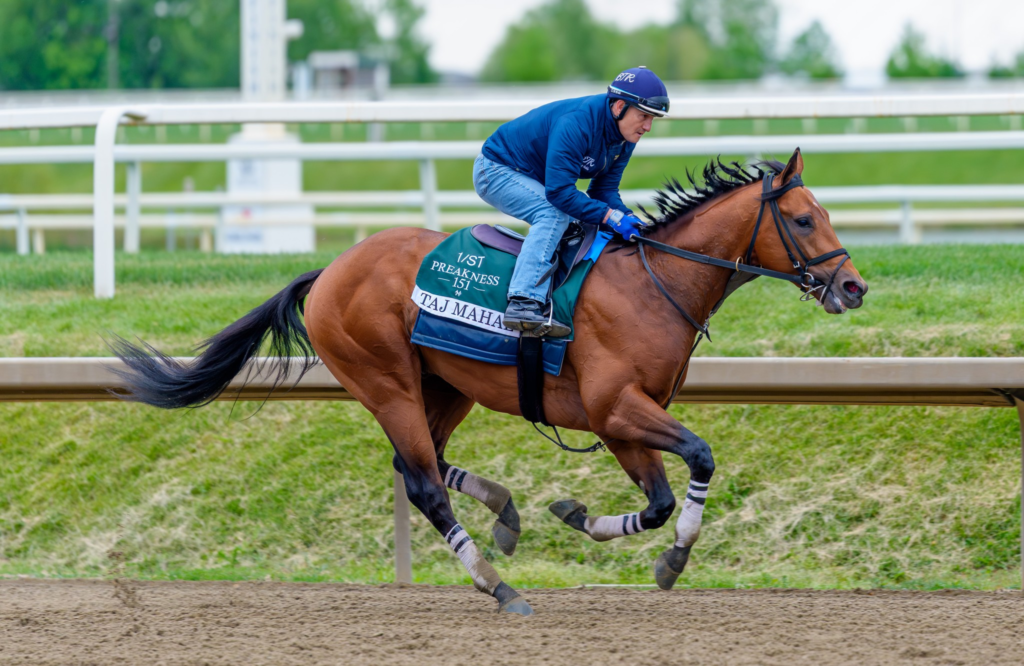
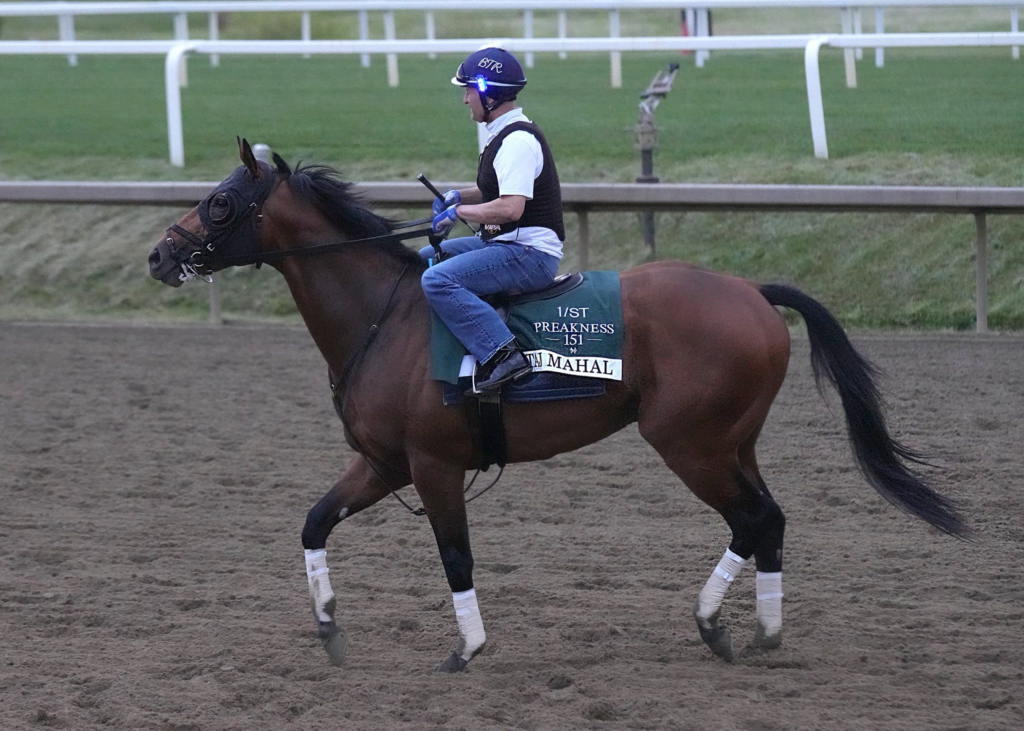
Iron Honor and Incredibolt are also drawing attention, and Taj Mahal has the advantage of having already worked over the Laurel surface, which matters more than usual in a year where track bias at a one-off venue is genuinely unknown.
The race goes Saturday, May 16th. It starts a new chapter in the story of a race that has been running since Ulysses S. Grant was in the White House.
Whether the chapter is a brief detour or something more telling about the direction of American horse racing is a question worth asking, even if the answer will not arrive until Pimlico either opens on schedule or it does not.
